
The American trucking landscape is undergoing a massive digital transformation in 2026. For years, trailers were often dismissed as mere “boxes on wheels”—essential, yet technologically invisible compared to the high-tech tractors pulling them. That era has officially ended.
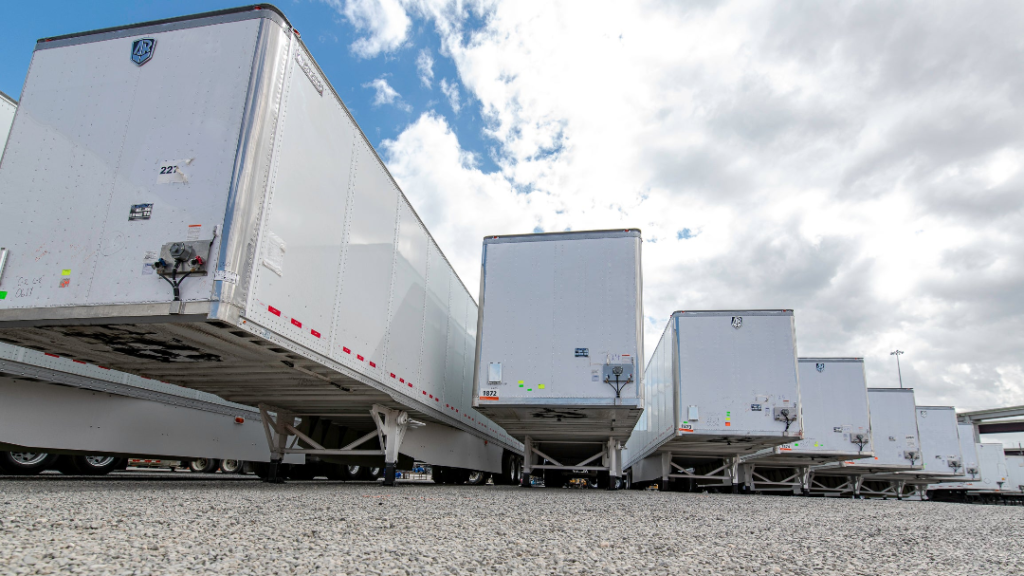
In a landmark move for fleet efficiency, Phillips Connect has launched a deep-level integration with McLeod Software. This partnership brings real-time, actionable smart trailer data directly into the McLeod Transportation Management System (TMS). For fleet owners, dispatchers, and drivers across the United States, this isn’t just another software update; it is a fundamental shift in how assets are managed on the road.
The End of Trailer Blind Spots
One of the biggest headaches for any trucking operation is the “blind spot” that occurs once a trailer leaves the yard. Traditionally, a dispatcher might know where a truck is via ELD, but the actual status of the trailer—its tire pressure, brake health, and even whether it’s truly empty—remained a mystery until the driver manually checked.
By integrating Phillips Connect’s hardware with McLeod’s LoadMaster and PowerBroker platforms, fleets now have a “live feed” of every trailer’s vitals. This data flows seamlessly into the same screens dispatchers use every day, eliminating the need to toggle between different apps or websites.
Key Features of the Integration:
- Real-Time Health Monitoring: Instant visibility into tire pressure (TPMS), brake status, and light health.
- AI-Powered Cargo Intelligence: Using the Phillips Connect CargoVision system to see inside the trailer without opening the doors.
- Precise Location Tracking: Advanced GPS data that syncs directly with McLeod’s dispatching workflow.
- Volumetric Measurements: AI sensors that calculate exactly how much space is left in a trailer, allowing for better load planning and “partial” shipment optimization.
Why This Matters for US Truck Drivers and Owner-Operators
While this technology is a win for the “back office,” the real impact is felt on the highway. For a driver, a trailer breakdown is more than an inconvenience—it’s lost time, lost revenue, and a potential safety hazard.
1. Increased Uptime and Safety
Imagine a scenario where a trailer’s brake system starts showing signs of wear or a tire begins to lose pressure slowly. With the Phillips Connect integration, the maintenance team is alerted through the McLeod system before the driver even hits the road. This predictive maintenance means fewer roadside repairs and fewer “out-of-service” violations during DOT inspections.
2. Eliminating the “Empty Mile” Problem
Empty miles (deadheading) are the silent killers of profit in trucking. Often, a dispatcher might send a driver to pick up a trailer they think is empty, only to find out it’s still half-loaded or hasn’t been swept out.
The AI-powered CargoVision technology allows dispatchers to see a “live” image of the trailer’s interior. They can confirm capacity in real-time. This ensures that when a driver arrives, the trailer is ready to roll, maximizing the driver’s Hours of Service (HOS) and ensuring every mile driven is a paid mile.
The Role of AI in 2026 Trucking
The integration leverages high-level Artificial Intelligence to turn raw sensor data into “smart” decisions. The system doesn’t just tell you that a trailer is at a specific location; it tells you if that trailer is “available and healthy.”
For mid-sized and large fleets using McLeod Software, this AI integration helps in:
- Faster Load Turning: Knowing exactly when a trailer is unloaded so it can be reassigned immediately.
- Reduced Asset Hoarding: Identifying trailers that have been sitting idle in a customer’s yard for too long.
- Better Driver Retention: Drivers stay happier when they aren’t stuck waiting for equipment repairs or dealing with “ghost” trailers that aren’t where they’re supposed to be.
A Strategic Move for Fleet ROI
The trucking market in 2026 remains highly competitive. With fluctuating fuel prices and rising insurance costs, “manufacturing your own margin” is the only way to survive. By bringing Phillips Connect data into McLeod, carriers can significantly lower their Total Cost of Ownership (TCO) for trailers.
MNS1, a prominent North American fleet, was one of the first to test this integration. Their leadership noted that having this data inside their primary TMS was a “game-changer,” allowing their planners to make decisions in seconds that used to take dozens of phone calls.
Breaking Down the Technical Advantage
For the tech-savvy fleet manager, the beauty of this integration lies in the API-first architecture. McLeod Software has been a leader in the TMS space for decades, but their recent focus on “DataFusion” and open connectivity has allowed innovators like Phillips Connect to plug in directly.
This means there is no lag. When a sensor on the trailer detects a door opening or a temperature change in a reefer unit, that event is logged in the McLeod database almost instantly. This level of synchronization is what creates a truly “Smart Fleet.”
The Future: Toward Autonomous and Connected Logistics
This integration is also a stepping stone toward the future of autonomous trucking. As companies like Aurora integrate with McLeod to manage driverless trucks, the need for “smart trailers” becomes even more critical. An autonomous truck cannot get out and kick the tires; it needs the trailer to report its own health status.
Phillips Connect and McLeod are essentially building the nervous system for the next generation of American logistics.
Conclusion
The partnership between Phillips Connect and McLeod Software represents a major milestone in 2026. By removing the wall between trailer hardware and dispatch software, they have provided fleets with a powerful tool to increase safety, reduce waste, and boost profitability.
In an industry where every minute and every mile counts, having a “Connected Trailer” is no longer a luxury—it is a necessity for any carrier that wants to remain competitive in the modern US market.